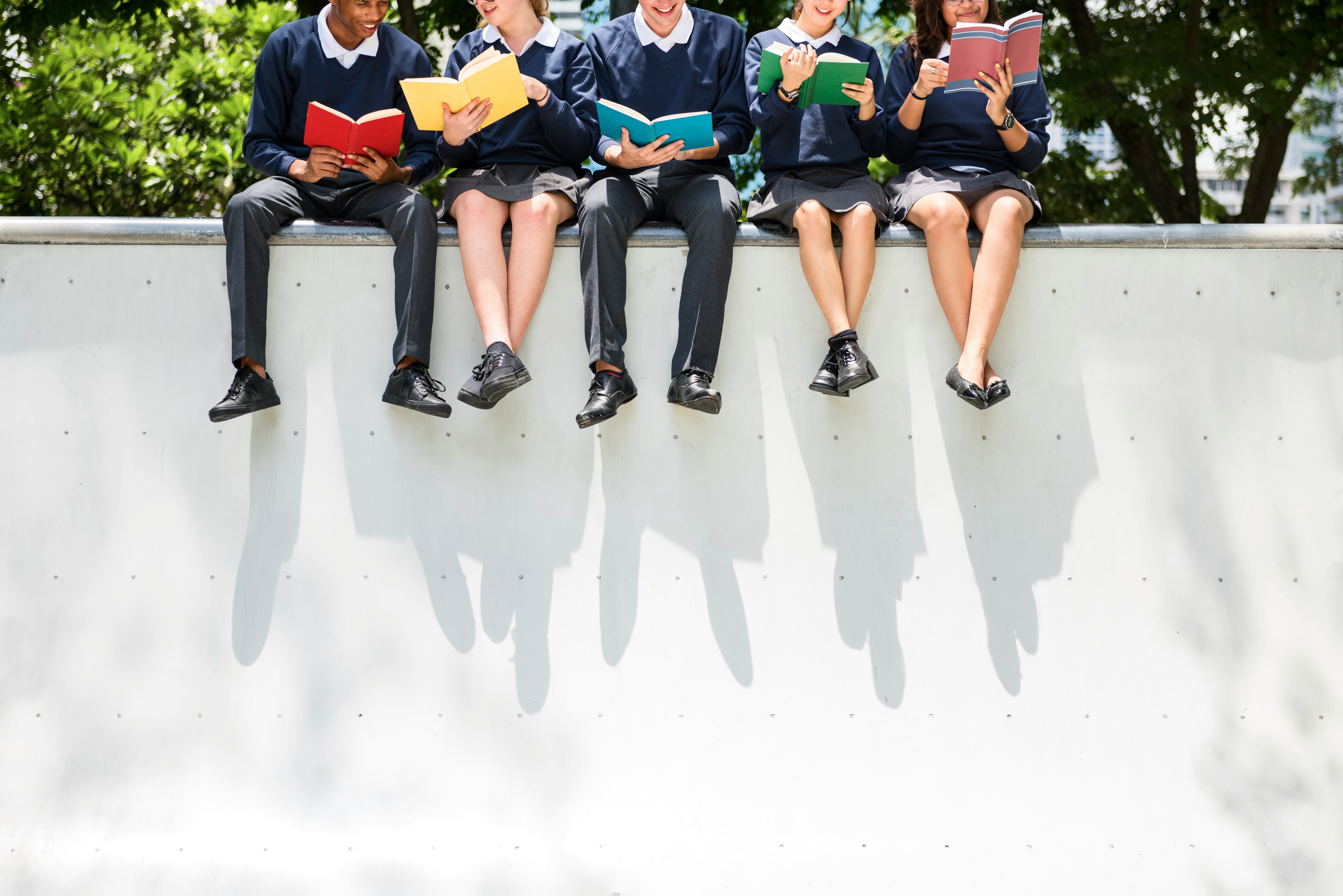
The School That Prepares Students to Live Well

The School That Prepares Students to Live Well
A blueprint for a UK High School & Sixth Form College designed for resilience, biodiversity, wellbeing and future leadership.
(Fictional in concept — fully buildable in reality.)
We often tell young people that they are the “future”.
But we teach them inside buildings that belong to the past.
Buildings that overheat in summer and leak heat in winter.
Buildings that echo, glare, stress and exhaust.
Landscapes that are paved flat or mown into submission.
Curriculums that describe the natural world instead of letting students work within it.
If we want the next generation to act differently, then we must equip them differently.
This school is designed to do exactly that.
It is fictional — but it requires no new inventions.
Every material, method and operational model already exists in the UK today.
The purpose is simple:
To build environments where young people learn how to live well in the world they will inherit.
1. Foundations & Structure: Built for Longevity and Low Carbon
A multi-storey school requires concrete and steel, yes — but not in the way we’ve always used them.
The foundation system uses:
Lower-carbon concrete mixes with GGBS/PFA substitutions
Recycled aggregate in sub-bases and fill layers
Recycled tyre rubber used where it improves building performance:
Rubber in the right places:
Acoustic decoupling between floors (critical in schools)
Vibration isolation under sports halls, dance studios & music rooms
Expansion joints & movement bearings
Temporary works mats, scaffold pads & site protection during construction
The structure is framed using:
Regenerative forestry timber
Or hybrid timber-steel systems for durability and adaptability
The envelope is insulated with:
UK wool insulation — breathable, non-toxic, naturally fire-resistant, and infinitely repairable
This isn’t experimental architecture.
This is good engineering with better material choices.
2. Landscape as Living Curriculum
School grounds are not ornamental.
They are teaching space, climate infrastructure and biodiversity support.
The site includes:
Meadow and native planting zones for pollinators and soil regeneration
Outdoor classrooms and weather-lit seating shelters
Vegetable & herb gardens linked to science, food tech, and community meals
Wildlife corridors connecting green networks across the local area
Rainwater harvesting wetlands & micro-ponds used for biology, geography and environmental science
Here, students don’t just learn about ecology.
They participate in one.
3. Interiors Designed for Concentration, Calm and Health
A school is a neurological environment.
Every sensory input affects:
Behaviour
Focus
Emotional regulation
Learning outcomes
So the interior is designed to be calm, non-toxic and acoustically intelligent.
Walls
Lime and clay plasters regulating humidity & preventing mould
VOC-free mineral or plant-based paints
Wood-wool acoustic panelling to soften sound and reduce reverberation
Floors
Cork, timber, recycled terrazzo, wool carpet tiles in learning zones
Recycled tyre rubber where performance demands: sports halls, fitness rooms, changing areas
Furniture
Modular wooden systems designed to be repaired and reconfigured
Upholstery in wool blends that are naturally flame-resistant
Joinery made for 30-year service life, not 5-year turnover
Air Quality
Heat recovery ventilation + HEPA filtration
Indoor planting that is integrated, not decorative
Cleaning protocols selected for students with asthma and sensory sensitivity
This environment does not shout.
It supports attention by removing friction.
4. Lighting & Energy: Comfort That Saves Energy
Lighting affects sleep patterns, mood, learning capacity and neurodiversity compatibility.
This school uses:
Low-voltage LED lighting
Daylight-balanced task lights in labs, art rooms and workshops
Warm, indirect light in pastoral and common spaces
High-CRI, flicker-free lighting in all staff and student areas
External lighting:
Is shielded, low-glare and wildlife-friendly
Ensures safety without flooding the site with artificial light at night
Solar PV systems are mounted using:
Recycled tyre rubber mounting blocks (to avoid roof penetration damage)
Rubber vibration isolation pads (to extend panel lifespan)
Rubber cable protection channels (to prevent wear & moisture ingress)
Energy use is displayed on live dashboards throughout the school.
Students learn stewardship by seeing cause and effect.
5. Food, Water & Operations: Culture in Action
The school operates according to the values it teaches.
Rainwater harvesting used for flushing & gardens
Local seasonal catering with reduced packaging
Repair workshops for uniforms, bags, furniture & bikes
Circular procurement policies — reuse first, buy second
No single-use disposable catering products
Sustainability is habit, not a poster.
6. Education: Teaching Agency, Not Eco-Anxiety
Young people don’t need to be told the world is in trouble.
They already know.
What they need is:
Understanding
Skills
Tools
Confidence
And most importantly:
A sense that what they do matters.
Curriculum integration includes:
Environmental literacy
Systems thinking
Community collaboration
Circular design projects
Hands-on land & resource care
Critical media & misinformation awareness
Students co-maintain parts of the building and landscape.
Responsibility replaces helplessness.
This is how you raise citizens, not consumers.
The Real-World Footprints Already Visible
Though no UK school currently integrates all of this, several demonstrate key components:
St Paul’s Primary, Gloucester
Integrated rainwater harvesting & nature-based learning
The Axis Academy, Crewe
Sensory-safe educational environments
Multiple UK LA Timber School Projects
Timber-first construction & low-carbon envelopes
High Tech High (US)
Project-based learning built on agency & community
This concept simply connects the proven pieces.
An Invitation to Shape This Future Together
This school is fictional in name only.
It could be commissioned, designed and opened.
To bring together the architects, educators, developers, manufacturers, policy leaders and innovators capable of building it, we are hosting:
The Sustainable Building & Biodiversity Forum
February 2026 — Manchester
A space for real collaboration, not sales pitches.
If your organisation:
Manufactures low-carbon or circular materials
Designs learning environments
Works in biodiversity, landscape or local food supply
Trains educators or supports school communities
Or simply believes the built environment can do better
Then you belong in the conversation.
