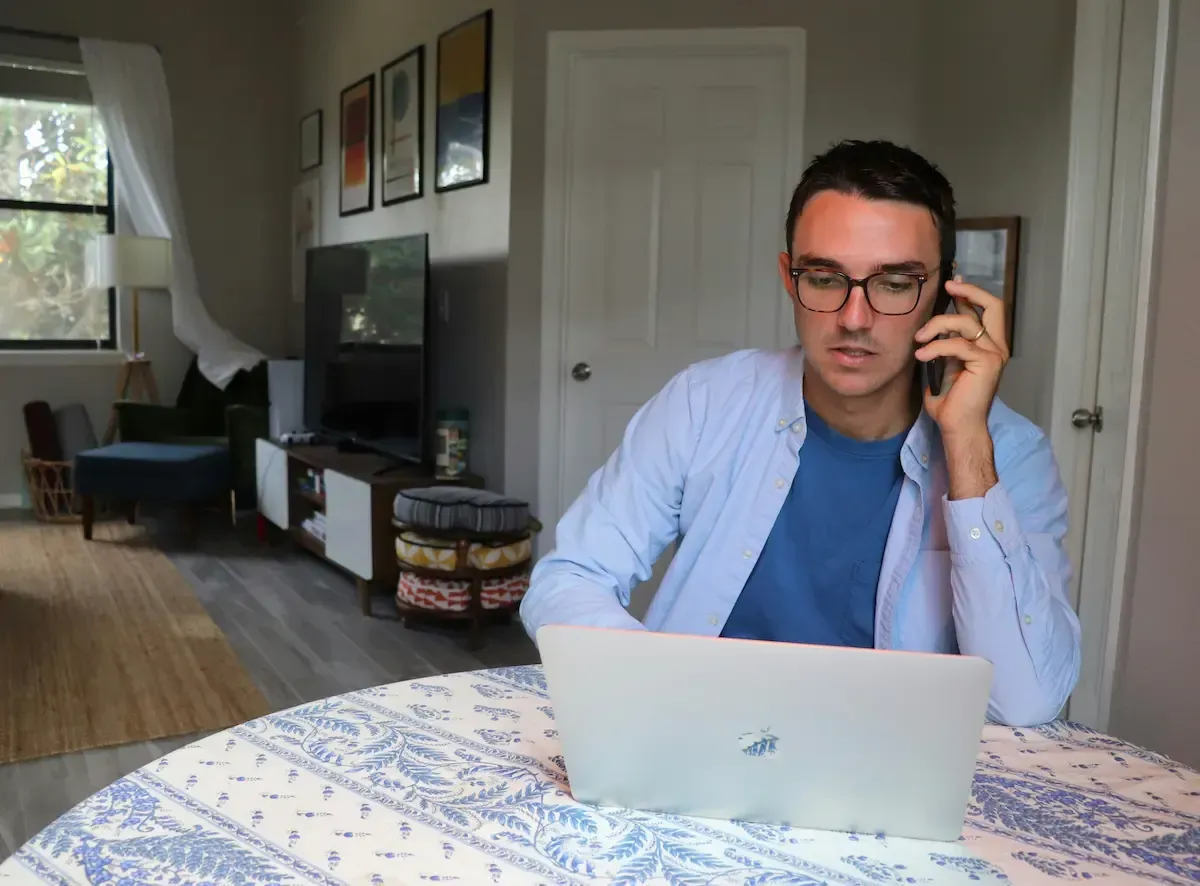
Cold Calling: Your Worst Nightmare

Cold Calling: Your Worst Nightmare
A Real-World Guide to Modern Outreach Without the BS
🔎 Section 1: Why Cold Calls Feel Awful (for Everyone)
Whether you're making the call or answering it, cold calling is rarely fun. It's a high-stakes game of assumptions, mistrust, and fear:
Sellers fear rejection, sounding pushy, or coming across like a scam.
Buyers fear manipulation, wasted time, or being sold something they don’t need.
With scams, spam, and AI-generated calls on the rise, trust is lower than ever. It’s not that cold calling doesn't work – it's that the way it's usually done doesn't work anymore.
🧠 Section 2: The Psychology Behind the Panic
Seller Thinks...
Buyer Thinks...
“They sound annoyed… I must be a bother.”
“Why are they calling? Must be a scam.”
“I’ll speed up to get to the point.”
“They're rushing… sounds suspicious.”
“They didn’t give me a chance.”
“They didn’t listen.”
What's really happening?
Loss Aversion: Buyers fear wasting money or time more than they crave a great solution.
Anchoring Bias: The first impression of your tone and words sets the tone for the rest of the call.
Fight-or-Flight Activation: Cold calls are interruptions – they trigger stress, not curiosity.
🚫 The Worst Line in Cold Calling
“I’m not trying to sell you anything.”
Yes, you are. And saying you're not just undermines trust.
✔️ A Better Approach: Be Honest
“This is just an exploratory call to find out whether what we offer could be relevant to you. If not, I’ll be out of your hair.”
This line:
Acknowledges it’s a cold call.
Respects the buyer’s time.
Doesn’t lie about your purpose.
🔍 The Underrated Power Move: Custom Follow-Up
Where most cold outreach fails:
The seller sends a generic template.
They forget the buyer’s actual problem.
They follow up with more pressure.
Instead, do this:
Take real notes during the call.
Send a relevant follow-up email:
Reference what they said.
Summarise your understanding.
Offer a next step only if it makes sense.
Build your next conversation from the last one.
This shows: "I listened. I respected your time. I’m not trying to trick you."
⛰️ The Power of Walking Away: Consultative Selling
Here’s a bold move that builds trust fast:
If you realise what they need isn't what you offer, say so.
Most sellers panic and try to force the sale. But real professionals say:
“To be honest, from what you’ve told me, I don’t think we’re the right fit. But I know someone who might be – would you like an intro?”
This does three things:
Surprises them – in a good way.
Positions you as an advisor, not a pusher.
Leaves the door open for future opportunities or referrals.
This is called consultative selling, and it works because it’s rooted in trust, not tactics.
🔢 Trust-Based Cold Calling Checklist
What to Do
Why It Works
Lead with permission
Gives the buyer control
Be honest about your intent
Builds immediate credibility
Listen, don’t pitch
Helps uncover real needs
Take notes and reference them later
Shows you care, not just convert
Walk away if you’re not the solution
You become the one they remember (and call)
📘 From the Book
“The first person to trust often wins the sale — not because they’re clever, but because they lead the conversation differently.”
If you found this useful, check out:
So You Think You Can’t Sell (But You Can) A real-world guide for people who want to grow their business, without the sleaze.
Get it here: https://amzn.eu/d/4pcPQIx
Or download more guides at: www.nicholarobinson.com
